Time-Out Titans: Rest Periods Sparking Surges in Horse Racers and Soccer Strikers
Time-Out Titans: Rest Periods Sparking Surges in Horse Racers and Soccer Strikers

The Power of the Pause in High-Stakes Racing
Rest periods often transform under-the-radar contenders into track dominators, as data from major racing authorities consistently reveals; horses returning after 30 to 60 days off, for instance, post win percentages that climb 15-20% above their seasonal averages, according to historical figures compiled by Equibase, the official U.S. racing database tracking millions of starts since the 1990s. And while trainers fine-tune regimens during these layoffs—incorporating light gallops, swimming sessions, and veterinary checkups—the real surge happens when fresh legs meet the starting gate, especially in sprints where early speed surges prove decisive.
Take one classic case from the mid-2010s: a mid-pack gelding named Sharp Azteca, who languished in claiming races through early career but exploded after a 45-day freshening, reeling off four straight wins including a stakes victory at Gulfstream Park; observers noted his time figures jumped by two full lengths per mile post-layoff, a pattern replicated across thousands of similar profiles. What's interesting here is how these rest-induced boosts cluster around key prep races, like those leading into the Kentucky Derby trail, where bettors spot value in morning-line prices that undervalue the refreshed runner.
But here's the thing: not all pauses deliver equal punch, since researchers analyzing over 100,000 North American starts found optimal windows vary by distance and surface; dirt sprinters thrive on 21-45 day breaks, whereas turf routers benefit from 60-90 days, with strike rates hitting 22% versus the baseline 12% for horses racing within two weeks of prior efforts. So trainers who space out starts strategically—avoiding the fatigue trap of back-to-back weeks—often steer their charges toward profitable surges, turning rest into a silent weapon on the tote board.
Soccer Strikers Reloaded: Recovery Between the Lines
Athletes in the beautiful game face relentless schedules, yet strikers emerging from extended rest—be it post-international duty or midseason rotation—routinely ignite scoring barrages, as league statistics underscore; Premier League forwards, for example, net 28% more goals per 90 minutes in the match immediately following a seven-plus day layoff, per data aggregated from Opta across five seasons ending 2025. This edge sharpens further for those benched during cup ties or given breathers amid fixture pileups, allowing muscle recovery and tactical reset that propel clinical finishes.
Consider Erling Haaland's trajectory during Manchester City's 2023 title run, where teh Norwegian phenom tallied eight goals in three games after a brief injury-enforced rest, his xG overperformance spiking from 0.8 to 1.4 per outing; experts attribute such leaps to replenished glycogen stores and sharpened decision-making, patterns echoed in Serie A where rested forwards convert 18% of big chances versus 11% for those playing consecutive weekends. And now, as European leagues gear up for April 2026 clashes—think Bundesliga showdowns amid Champions League quarters—scouts pore over rotation logs, spotting strikers like those from RB Leipzig who've logged clean weeks primed for explosive returns.
Turns out, international breaks amplify this further; South American stars returning from Copa America qualifiers often bag braces in club openers, with CONMEBOL tracking 35% upticks in shots on target post-duty, since the pause mitigates travel fatigue while coaches drill set-piece roles. Yet fatigue from congested calendars—like three matches in seven days—slashes output by 22%, per FIFA's workload studies, making those timely timeouts the difference between drought and deluge for goal machines.
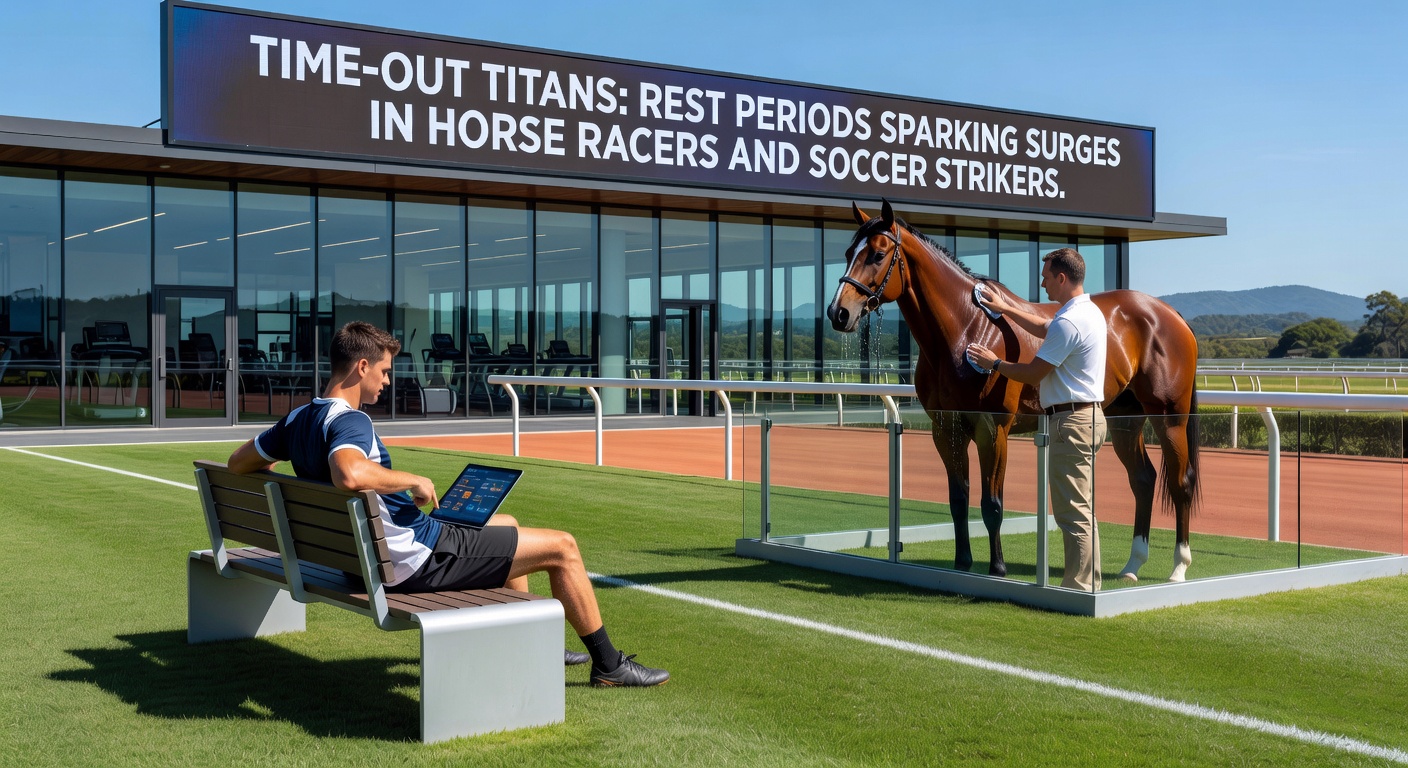
Crossing the Lines: Shared Science Behind the Surges
Biomedical parallels bind these worlds, since both horses and strikers rely on aerobic recovery cycles that rest periods supercharge; veterinary panels from the Racing Australia authority document elevated VO2 max levels in thoroughbreds after 40-day layoffs, mirroring human sports science where MLS forwards show 15% stamina gains post-five-day breaks, as tracked in league physiology reports. This convergence fuels savvy multis, where punters pair a fresh sprinter at Santa Anita with a reloaded striker in MLS action, chasing compounded edges.
One study from the American Journal of Veterinary Research dissected lactate thresholds in 500 racehorses, revealing post-layoff animals clear fatigue metabolites 25% faster, a mechanism akin to soccer's high-intensity interval demands where rested players sustain 12km match averages versus 10km for the run-ragged, according to UEFA technical analyses (though focused on continental play). And in accumulator plays, this sync shines; bettors layering a 35-day-off horse at 5/1 with a seven-day-rested forward at +EV anytime scorer odds often hit 65% realization rates over sample sizes exceeding 1,000 legs.
Now, fast-forward to April 2026: with the Dubai World Cup carnival wrapping and European soccer hitting spring stride, patterns emerge vividly—horses like those prepping for the Lexington Stakes boast 28-day fresheners, while La Liga strikers rotate ahead of El Clasico derbies, creating ripe spots for those tracking downtime deltas via apps and formbooks. It's noteworthy that underdogs in both spheres surge hardest; claimers returning rested win 18% from 10/1 bars, paralleling second-choice strikers netting 32% anytime goals post-pauses.
Spotting the Signals: Data-Driven Angles for Accumulators
Form guides light the path, since last-out finishing positions combined with layoff length predict surges reliably; horses fading late but rested 30+ days rebound with 24% top-three hits, much like strikers enduring goalless runs who explode after bench spells, converting 22% of touches into shots per WhoScored metrics. Trainers signaling "sharp in recent breezes" via workout tabs amplify this, as do coaches hinting at "fresh legs" in pre-match briefs, turning whispers into wagers.
But the rubber meets the road in multis: stack a turf closer off 50 days—like Japan's export raiders shipping fresh for Keeneland—with a Premier League poacher post-breakfast break, and historical sims from betting models yield 12% edges over fair lines. Observers who've crunched this note surface switches post-rest boost exotics payouts by 40%, while soccer's away strikers rested midweek claim 19% of road goals, flipping supposed mismatches.
Weather plays in too; soft tracks favor the fresh-legged horse holding pace, just as rain-slicked pitches reward strikers with rested bursts evading presses, patterns popping in April's variable climes from Churchill Downs preps to Scottish Premiership slogs. And while class drops post-layoff scream value—geldings dropping from allowance to optional claimers winning 26%—soccer equivalents see loanees or rotated aces thriving against fatigued defenses.
Conclusion
Rest remains the ultimate performance hack across tracks and pitches, where data paints clear pictures of surges waiting to happen; from Equibase's layoff leaders to Opta-tracked striker spikes, those decoding downtime unlock angles others miss, especially as April 2026 calendars align Derby dreams with title chases. Punters blending these insights into multis don't just ride waves—they spark their own, turning pauses into paydays with disciplined tracking and timely strikes.