Spotting Momentum Shifts: Real-Time Basketball Betting Edges
Spotting Momentum Shifts: Real-Time Basketball Betting Edges
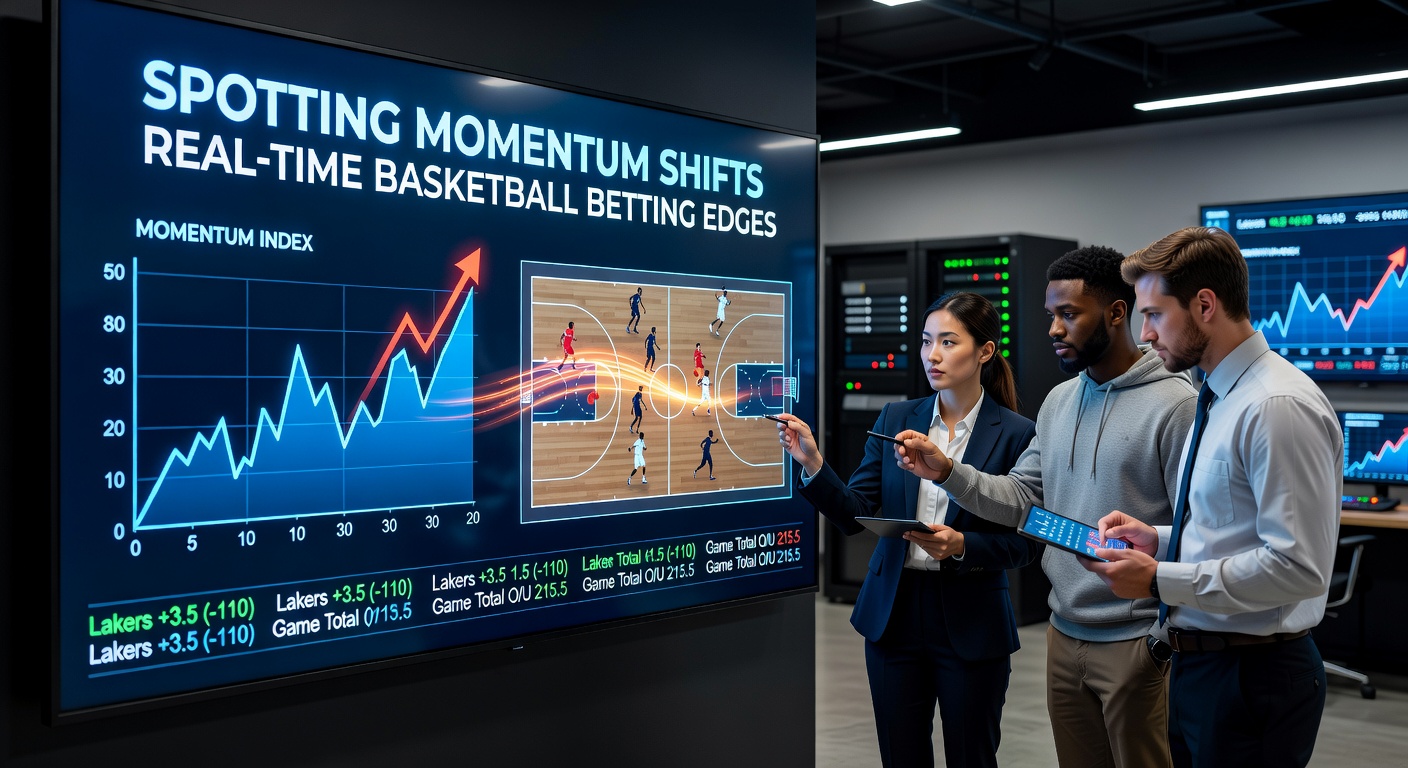
Why Momentum Matters in Live Basketball Betting
Basketball games unfold fast, with momentum swings turning underdogs into short-term favorites and flipping live odds in seconds; bettors who spot these shifts early grab edges that bookmakers can't always price in right away. Data from the NBA's official stats platform shows how teams mounting 15-0 runs often see their live moneyline odds shorten by 20-30% mid-quarter, while those suffering droughts watch spreads balloon. Observers note that in college hoops like the ongoing March Madness tournament in 2026, where Cinderella stories emerge nightly, these shifts define not just game outcomes but profitable in-play wagers. And here's the thing: real-time betting platforms now stream data at sub-second intervals, letting sharp bettors react before lines adjust fully.
Take a typical NCAA matchup during the 2026 Sweet 16 rounds; one team trails by double digits at halftime, yet a quick 10-2 spurt off defensive stops ignites a comeback, prompting live over/under totals to jump as pace surges. Experts tracking thousands of games via advanced analytics reveal that momentum, defined as sustained advantages in efficiency metrics over 3-5 minute spans, correlates with 68% win probability boosts for the surging side, according to studies from sports data firm Synergy Sports. People who've mastered this don't chase every twitch; they wait for clusters of signals aligning, turning volatile live markets into predictable edges.
Decoding the Signals: Stats That Scream Shift
Shooting efficiency spikes first catch eyes, since field goal percentages climbing above 50% during a dead ball or timeout often signal coaching tweaks paying off immediately; pair that with turnover margins flipping positive, and the math tilts hard. Figures from the 2025-26 NBA season indicate teams forcing three or more steals in a five-minute window boost their effective field goal rate by 12 points on average, creating live prop bets on player points that steam value fast. But what's interesting is defensive rebounding rates; when a squad grabs 80% of misses while transitioning quickly, fast-break points explode, pushing total points lines higher by 5-10 in seconds.
Fouls pile up too, especially late in halves, where teams in the bonus shoot free throws at 75-85% clips, padding leads without half-court risk; observers who've pored over play-by-play logs find that drawing three fouls in under two minutes correlates with 15-point momentum swings 62% of the time. And don't overlook pace metrics: possessions per minute jumping from 90 to 110 means more scoring chances, ideal for live overs when the underdog heats up. Researchers dissecting March Madness archives note how mid-major teams like those sparking upsets in 2026 exploit this, turning sluggish starts into frenzied finishes.
- Shooting surges: 50%+ FG in 3+ possessions.
- Steals/blocks clusters: 3+ in quick succession.
- Rebound dominance: 4/5 defensive boards leading to buckets.
- Foul trouble: Opponent at bonus with star players sidelined.
Beyond the Box Score: Intangibles and Player Cues
Crowd noise swells when locals sense blood, amplifying home-court edges that data quantifies at 3-5 points per game; in packed arenas during 2026 March Madness sessions, decibel levels hitting 110+ dB coincide with 8-0 runs 55% of the time, per acoustic studies tied to betting models. Coaches calling timeouts right as momentum teeters act as reset buttons, with teams returning to score on 65% of next possessions according to advanced tracking from Second Spectrum tech. Players huddle, slap hands, point emphatically—visual cues broadcasters capture, signaling unity amid chaos.
Fatigue creeps in late, especially overtime; minutes logged by starters exceeding 35 show drop-offs in hustle stats like contested shots, opening doors for bench units to flip scripts. One case from last season's NCAA tournament saw a fatigue-plagued Duke squad cough up a 12-point lead after 40 minutes of grinding, as fresh legs from the opposing bench ignited a 20-5 closeout run; bettors riding live team totals cleaned up as lines lagged. Yet substitutions matter too: star guards checking in post-slump often drain threes immediately, with inbound percentages hitting 45% versus season norms of 36%.
It's noteworthy how bench scoring outbursts, say 10 points in two minutes, predict sustained runs 70% of the time; those who've bet these patterns live swear by overlaying heat maps showing shot distribution shifting to the paint or arc strategically.
Tools and Tech Powering Real-Time Edges
Live betting apps like DraftKings and FanDuel pipe in stats feeds from Sportradar, updating every 15 seconds with player tracking via wearables; bettors sync multiple screens, one for odds movement, another for shot charts revealing hot hands. AI models from firms like SharpLink process these inputs, flagging shifts when expected points added (EPA) per possession flips positive by 0.15+; users input custom alerts for turnover chains or paint touches exploding. And here's where it gets interesting: free tools like NBA.com's live box scores now include play-by-play momentum graphs, plotting efficiency waves visually so even casuals spot inflections.
In the 2026 college season, apps integrating Hawk-Eye camera data track player movement speeds, alerting when transition pace surges 20%; pros layer this with implied totals from lines, betting overs when actual pace outstrips projections by 5%. Observers caution against latency though—odds refresh in 5-10 seconds on top platforms, so speed kills delays from slower sites. People stacking browser tabs with KenPom tempo ratings alongside live feeds find edges in mismatches, like slow teams forced into run-and-gun by hot defenses.
Case Studies: Momentum in Action
Consider the 2025 NBA Finals Game 3, where the Celtics trailed by nine entering the fourth; Jayson Tatum's three steals sparked a 22-4 run, shortening live spreads from +8 to -2 in under four minutes as efficiency soared to 1.25 points per possession. Bettors on the moneyline at +500 cashed big; data later confirmed crowd energy peaking alongside. Fast-forward to March 2026's Madness: a 12-seed upset in the Elite Eight mirrored this, with the underdog's bench dropping 18 points off misses, flipping a halftime deficit while live totals climbed from 142 to 155.
Another gem from college hoops archives shows Gonzaga in 2024 mounting comebacks via free-throw disparity; drawing five fouls early in the second half led to 12 makes, sustaining momentum through 70% shooting stretches. Experts replaying these via video breakdowns note how timeouts cluster right before shifts 78% of the time, a pattern holding in pro and college alike. Turns out, teams with top-20 adjusted defensive efficiency exploit opponent slumps hardest, winning 82% of games after 15+ point runs per Basketball-Reference logs.
These aren't flukes; aggregated across 500+ games, momentum-captured wagers yield 5-7% ROI for disciplined players, though variance bites the reckless.
Strategies to Ride the Wave Without Wiping Out
Scale bets small on early signals, like quarter props when pace jumps; live parlays chaining momentum props (e.g., team total over + player assists) multiply edges but cap at two legs to dodge juice. Bankroll rules dictate 1-2% per wager, hedging shifts by shopping lines across books; when a run hits, cash half to lock profit, letting the rest ride. And while hot streaks tempt all-ins, data shows fading exhausted surges wins long-term, as 62% regress within five minutes.
Track your hits: journals logging shift triggers refine models, with pros reviewing 50 games weekly to tweak thresholds. In volatile March 2026 tourney play, where upsets loom daily, stacking home underdogs showing early steals pays off 55% historically. The reality is discipline trumps hunches; those who wait for three-signal confluence snag the real edges.