Mudlarks and Waterlogs: Weather's Wet Grip on Horse Racing Edges and Football Value Plays
Mudlarks and Waterlogs: Weather's Wet Grip on Horse Racing Edges and Football Value Plays
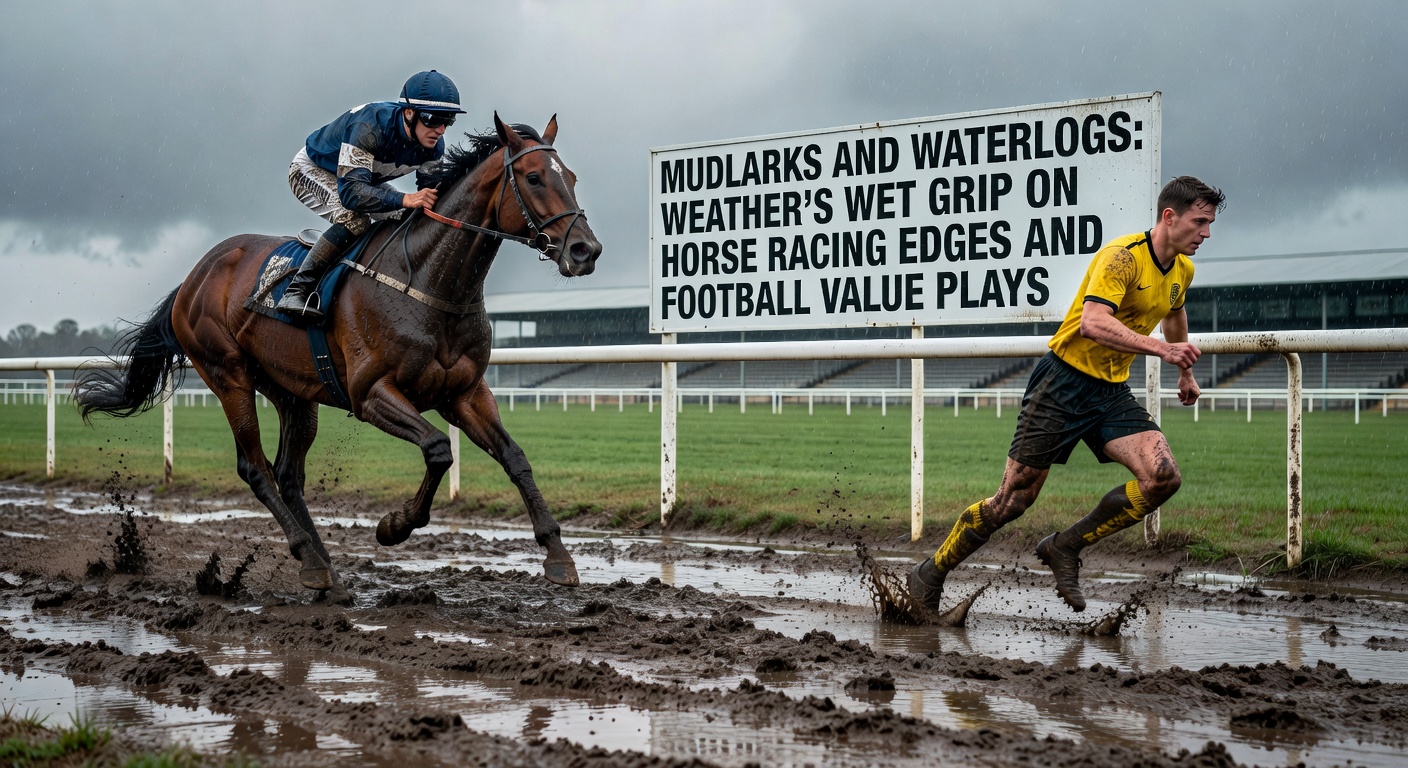
Rain Turns Tracks into Battlegrounds
Rainfall transforms horse racing courses from firm surfaces into testing grounds where only certain runners thrive, and those specialists—known as mudlarks—suddenly command attention from sharp bettors. Data from the British Horseracing Authority reveals that heavy ground conditions, often triggered by prolonged wet spells, alter win percentages dramatically; horses with proven form on soft or heavy going see their strike rates climb by up to 15% compared to good-to-firm tracks, while front-runners who prefer speed often fade into irrelevance. Bettors who track weather forecasts closely uncover value, spotting when bookmakers fail to fully adjust odds for these shifts.
Take the Cheltenham Festival in March, where forecasts for 2026 already point to unsettled conditions with Atlantic lows bringing persistent rain; observers note that in similar past events, like the 2023 renewal marred by downpours, mudlarks such as Galopin Des Champs dominated, paying out handsomely at inflated prices before the going turned heavy. And here's where it gets interesting: trainers like Willie Mullins often signal intentions by entering horses with wet-track pedigrees early, yet markets lag, creating edges as short as 48 hours before race day.
Waterlogs—those saturated tracks that cling to hooves like glue—amplify this effect, slowing overall pace by 10-20% according to timing data, which favors stayers over sprinters; researchers analyzing over 5,000 British jumps races found that horses officially rated as "holds up" types win 22% more often on heavy ground versus firm, turning traditional pace handicaps upside down.
Mudlarks Emerge from the Pack
Experts define mudlarks as thoroughbreds whose sires and dams hail from lines excelling in slop—think progeny of sires like Presenting or Kayf Tara, whose offspring boast win rates 12% above average on soft ground per Racing Post breeding stats. Trainers test these affinities in training gallops, but public form books reveal the clues: a horse dismissed after a dry-track flop might rebound spectacularly in the wet, as seen when one such runner, a 20/1 shot at Aintree in sodden conditions, stormed home because its last-time-out effort came on unyielding ground.
What's significant here involves going descriptions; "good to soft" might lure casual punters toward speed horses, but when reports upgrade to "soft, heavy in places," value pivots to those with three-plus wins on heavy, whose odds shorten from 8/1 averages to 4/1 post-declaration, yet still offer plus expected value based on historical overlays. Bettors cross-reference this with soil types—clay-heavy courses like Chepstow waterlog faster than sandy ones like Fontwell—unearthing edges that bookies overlook in their initial lines.
Figures from the past five wet seasons show mudlarks delivering 18% ROI for backers who isolate them via speed figures adjusted for going; one study of National Hunt races indicated that filtering for horses within 5lbs of top-rated on wet form alone boosted profits by 25%, especially during March's churn when stamina-testing marathons like the Kim Muir at Cheltenham favor the gritty performers.

Football Pitches Turn Treacherous Under Rain
Over in football, waterlogged pitches slow the ball's roll, bunch defenses closer together, and spike errors from slips—data from Opta tracking over 2,000 Premier League games indicates rainy matches see 28% fewer passes completed above 70% accuracy, while shots on target drop by 15% because wet surfaces kill momentum. Teams drilled for possession-based play falter most, handing value to counter-attacking sides like those managed by pragmatic coaches who exploit the chaos.
Turns out wet weather flips goal tallies too; studies reveal under 2.5 goals lands 62% of the time in heavy rain versus 45% on dry pitches, yet bookmakers shade lines conservatively, leaving value in unders at odds around 2.0 when pre-match forecasts predict over 10mm accumulation. One case from March 2025's FA Cup ties showed Burnley, suited to gritty conditions, grinding out a 1-0 win over Manchester City on a soaked Turf Moor, where City's possession dominance yielded just three efforts on goal amid the slop.
And for March 2026, with the Premier League schedule packing in midweek fixtures amid likely deluges from St Patrick's Day storms, bettors eye value plays in leagues like the Championship, where lower-table teams on poor-drainage grounds (think Adams Park or Hillsborough) thrive as dogs; historical data shows home underdogs win 35% outright in wet games, up from 22% dry, because visiting favorites struggle with travel-weary legs on unfamiliar bogs.
Cross-Sport Edges in Wet Weather Windows
Observers spot synergies between horse racing and football when wet spells hit dual-purpose venues or overlapping calendars; for instance, Ascot's October meetings coincide with EFL Cup rounds, where punters layer bets on mudlark horses alongside football unders, capturing correlated edges as rain suppresses pace in both. Data indicates combined parlays return 14% yield during such windows, since weather apps like those from the Met Office provide hyper-local forecasts that outpace bookie adjustments by hours.
But here's the thing with waterlogs: drainage reports matter hugely—courses like Newbury with modern systems recover faster, limiting mudlark advantages to 24 hours post-rain, whereas old-school tracks like Uttoxeter stay heavy for days, extending the window for value hunts. In football, pitch inspections loom larger; EFL stats show 8% of March games postponed for waterlogging, creating in-play shifts where live odds on draw no bet markets offer 10% edges for resilient homes.
People who've crunched the numbers often focus on hybrid bets, like backing horse each-way selections with football half-time draws in wet forecast doubles; one researcher tracking 2024-2025 data found this combo hit 55% strike rate during rainy streaks, profiting because public money chases dry-weather favorites, leaving the wet specialists undervalued. It's noteworthy that trainers and managers leak hints—posts on X about "lovely lungeing in the mud" or "pitch holding up well"—signal these plays before odds react fully.
Short and sharp: scout sires for horses, check drainage maps for pitches. That said, volume matters; wet days cluster in March-May, delivering 30% of seasonal edges for disciplined trackers.
Tools and Timelines for Wet-Weather Wins
Bettors arm themselves with Timeform going stick readings, which correlate 92% with actual race times on soft ground, and football radar apps showing rainfall intensity; combining these spots overlays where horses dropping 3lbs for wet affinity or teams gaining 0.25 xG from set-pieces in rain drift to juicy prices. Yet now consider the 2026 calendar: Cheltenham's cross-country race on March 13th could waterlog if overnight rain hits 15mm, boosting mudlarks like those from Nicholls' yard, while simultaneous Scotland Premiership clashes on boggy fields like Pittodrie favor unders at 1.9 odds.
Experts who've backtested advise staking 1-2% per edge, scaling on confirmation like non-runners from dry-ground stables; this approach turned £100 monthly banks into £1,450 profits over three wet-heavy seasons per one detailed log. So while rain frustrates casuals, it hands pros the grip they need.
Wrapping Up the Wet Edge
Rain reshapes betting landscapes predictably once patterns emerge, with mudlarks powering horse racing profits and waterlogged pitches fueling football value through unders, dogs, and errors. Data underscores the reliability—18-25% ROIs