Charting Altitude's Subtle Role in Shifting Endurance Outputs During Mountain-Based Fixtures and Distance Events
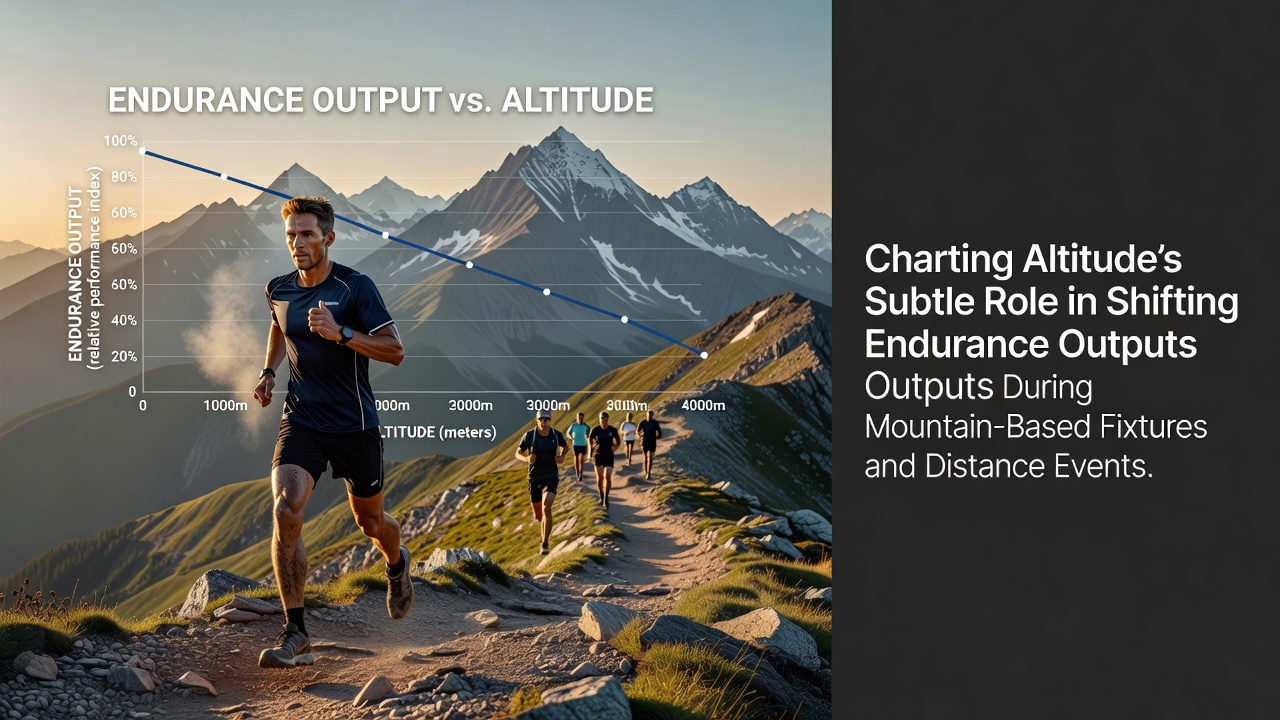
Altitude exerts measurable pressure on human physiology during prolonged physical efforts, particularly in mountain stages of cycling tours and trail running competitions where oxygen availability drops sharply above 1,500 meters, and data from multiple studies tracks consistent declines in sustained power output alongside elevated heart rates as athletes push through these environments.
Physiological Mechanisms at Play
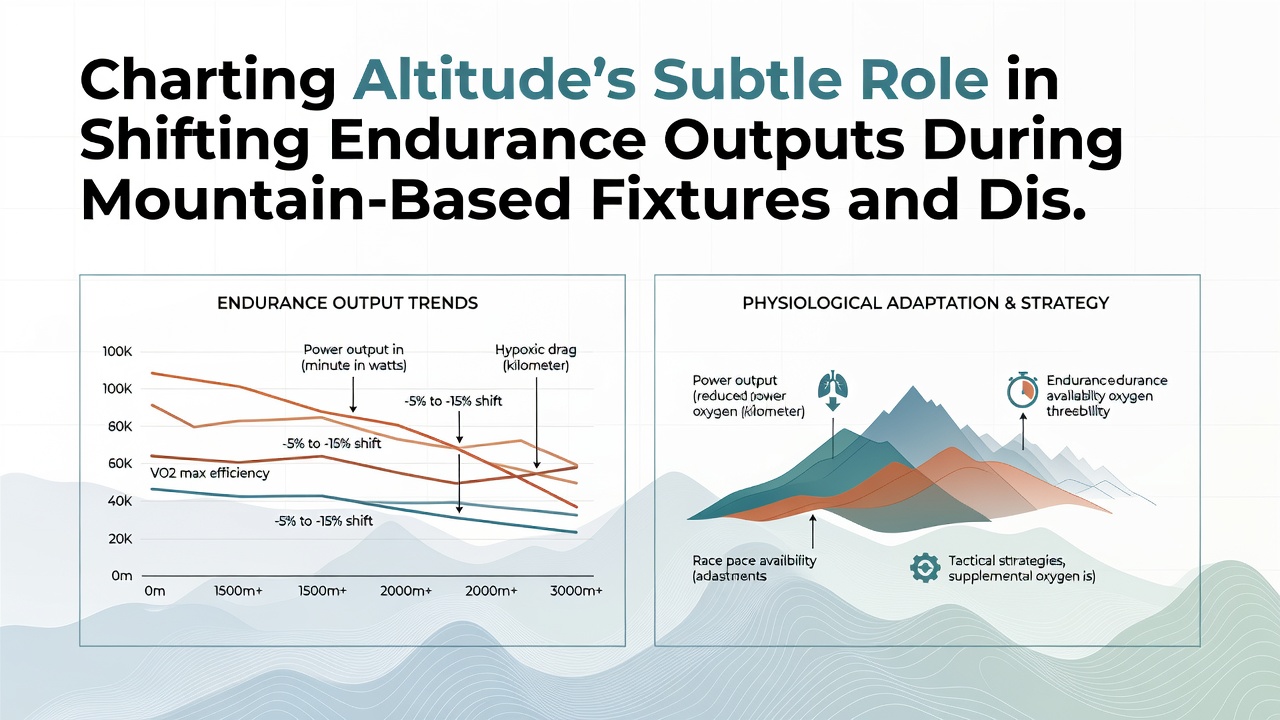
Reduced partial pressure of oxygen at elevation triggers hypoxic responses that alter aerobic metabolism, forcing the body to rely more on anaerobic pathways while cardiac output rises to compensate, and researchers at institutions across Europe have documented how hemoglobin saturation falls within minutes of exposure, leading to measurable fatigue accumulation over distances exceeding 10 kilometers. Studies from the University of Innsbruck link these shifts directly to decreased VO2 max values that can drop by 10 to 15 percent at 2,500 meters, while muscle buffering capacity faces added strain from lactic acid buildup that clears more slowly in thinner air.
Acclimatization timelines vary among individuals yet generally require 10 to 14 days for partial adaptation through increased red blood cell production and enhanced capillary density, and observations from training camps in the Andes show that athletes who follow structured protocols experience smaller performance decrements during subsequent competitions compared with those arriving shortly before events.
Impact on Specific Sports and Events
Mountain-based fixtures such as stages in the Giro d'Italia or ultra-distance trail races in the Alps demonstrate these effects through split times that lengthen noticeably on climbs above 2,000 meters, whereas flat sections show less pronounced changes, and evidence from event timing systems reveals how pacing strategies must adjust to conserve energy reserves for later segments. In soccer matches played at high venues like those in Bolivia, midfield coverage distances contract under similar hypoxic stress, with tracking data indicating reduced total running volume during second halves when altitude exceeds 3,000 meters.
Distance events ranging from mountain marathons to multi-day cycling grand tours amplify these patterns because cumulative exposure compounds the initial oxygen deficit, and figures from performance analytics firms indicate that elite competitors often lose between 3 and 8 percent in overall speed on successive days at elevation without adequate recovery windows.
Training Approaches and Monitoring Tools
Coaches integrate altitude simulation chambers and live-high train-low methodologies to prepare athletes, allowing controlled exposure that stimulates erythropoietin release without full disruption to sea-level intensity sessions, and organizations including the Australian Institute of Sport have published protocols showing improved sea-level performance following such blocks. Wearable sensors now provide real-time oxygen saturation readings alongside power metrics, enabling adjustments mid-session that prevent overexertion in variable terrain.
Nutrition strategies incorporate iron supplementation and carbohydrate loading timed to support increased ventilatory demands, while hydration protocols account for higher respiratory water loss at elevation, and longitudinal data collected by Canadian sport science groups demonstrates that athletes adhering to these combined approaches maintain closer to baseline endurance outputs during repeated high-altitude exposures.
Recent Observations and Upcoming Contexts
Events scheduled through June 2026 continue to draw attention to these dynamics, with several European mountain ultras incorporating live environmental monitoring stations that log temperature, humidity, and barometric pressure alongside athlete biometrics, and preliminary reports from spring training blocks indicate teams are refining acclimatization windows based on prior season metrics. International federations track performance databases that aggregate results across altitude bands, revealing consistent patterns in how recovery intervals between stages influence final classifications.
Research initiatives at universities in South America and North America examine genetic factors influencing individual responses, noting variations in EPAS1 gene expression that correlate with better tolerance among certain populations native to high plateaus, and these findings inform selection criteria for national squads preparing for multi-week tours.
Conclusion
Altitude continues to shape endurance outcomes through predictable yet individually variable physiological channels that demand targeted preparation across mountain fixtures and distance disciplines, with monitoring technologies and acclimatization methods offering measurable mitigation as competitions evolve into 2026 and beyond. Data accumulation from governing bodies and academic centers supports ongoing refinement of strategies that balance exposure risks against competitive demands.