Altitude Adjustments: Elevation Changes and Their Impact on Endurance Events Across Different Athletic Arenas
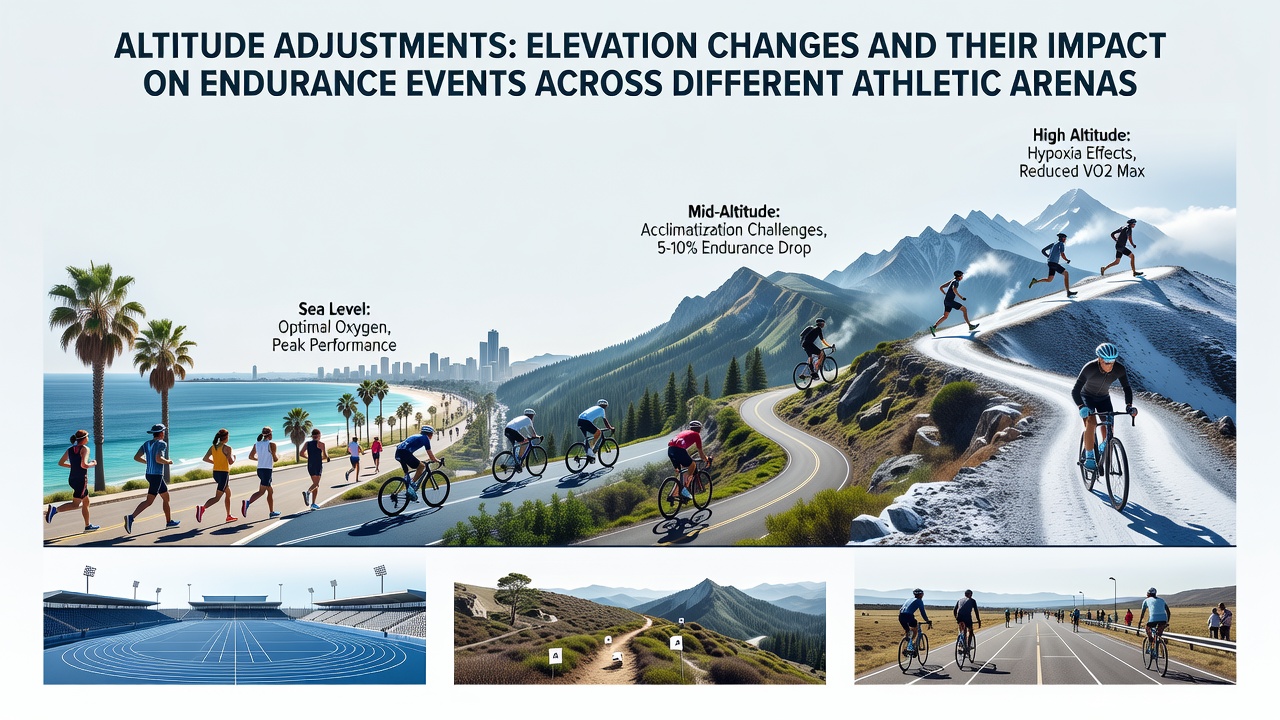
Endurance athletes face unique challenges when events shift to higher elevations because lower oxygen availability forces the body to work harder during sustained efforts, and researchers have documented these effects across running, cycling, and triathlon competitions for decades. Data from sports science studies show that performance declines begin noticeably above 1,500 meters as partial pressure of oxygen drops, which reduces aerobic capacity and increases heart rate for the same workload, while athletes who compete at these levels must adapt their pacing and recovery strategies accordingly.
Physiological Responses to Elevation Changes
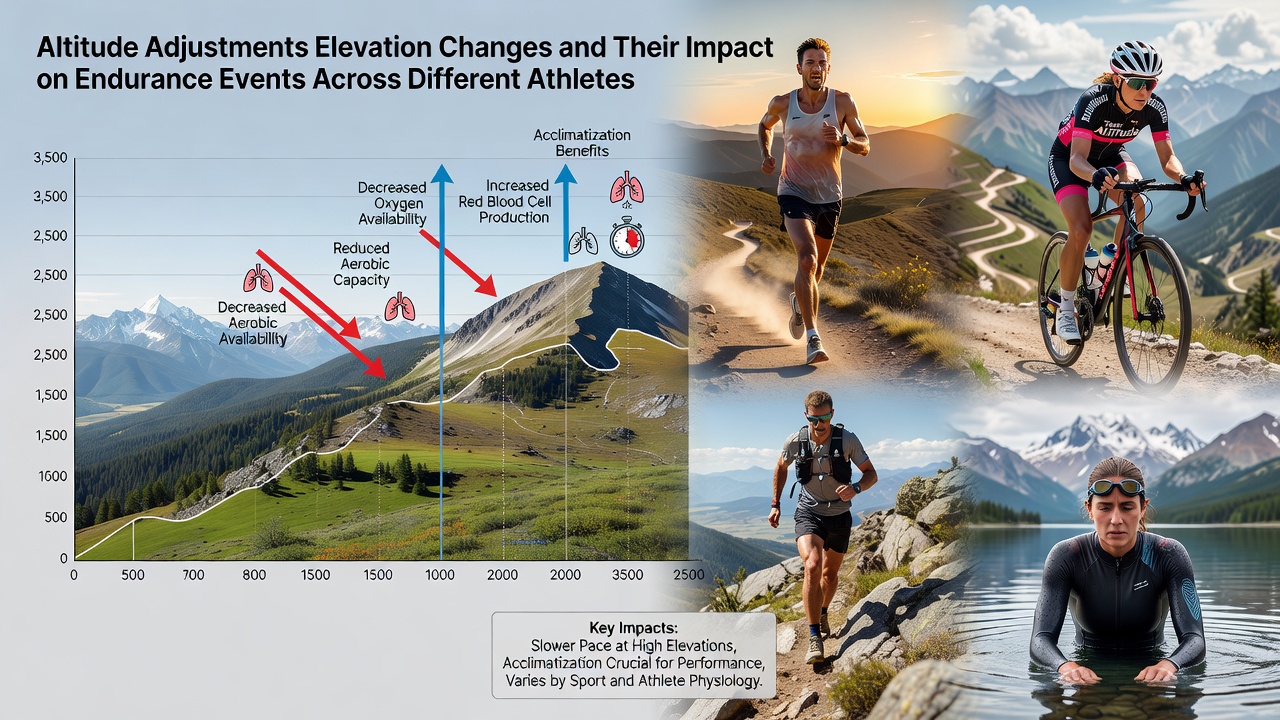
At higher altitudes the air contains less oxygen per breath, so muscles receive reduced oxygen delivery during prolonged activity, and this leads to earlier onset of fatigue in events lasting more than a few minutes. Studies conducted by exercise physiologists indicate that maximal oxygen uptake, often measured as VO2 max, decreases by approximately 10 to 15 percent for every 1,000 meters gained above sea level, whereas heart rate and breathing rate rise to compensate, creating additional strain on the cardiovascular system. Those who have examined blood samples from athletes note that red blood cell production ramps up over time as the body attempts to improve oxygen transport, yet this process requires days or weeks to yield measurable benefits during competition.
Acclimatization Strategies in Practice
Teams and individual competitors prepare for altitude by arriving early to allow natural adjustments, and organizations like the Australian Institute of Sport have tracked protocols where athletes spend 10 to 14 days at moderate elevations before key races. Live-high train-low methods, in which athletes reside at altitude but descend for intense sessions, appear in training logs from multiple national programs because they help maintain workout quality while stimulating physiological adaptations. Researchers discovered that some athletes also use simulated altitude environments through hypoxic tents or chambers during preparation phases, although results vary depending on individual responses and the duration of exposure.
Impact Across Specific Endurance Arenas
Trail running events held above 2,500 meters, such as those in the Rocky Mountains, demonstrate clear performance gaps between sea-level specialists and those with prior altitude experience, and timing data from races like the Leadville 100 reveal slower finishing times correlated with elevation gain. In road cycling, stages of multi-day tours that climb into the Alps or Andes force riders to manage effort more conservatively on successive days because cumulative fatigue builds faster than at lower elevations. Triathlon organizers have observed similar patterns in events like the Ironman 70.3 held in mountainous regions, where swim and bike segments remain relatively stable yet run times lengthen noticeably as athletes reach higher courses.
Historical records from the 1968 Mexico City Olympics, conducted at roughly 2,240 meters, show that distance runners from high-altitude regions outperformed many sea-level competitors in longer events, and subsequent analyses by sports governing bodies confirmed the oxygen deficit as the primary factor. More recent competitions scheduled for June 2026 in various mountain venues continue this pattern, prompting federations to issue guidelines on arrival timing and medical monitoring for participants.
Training Adaptations and Monitoring Techniques
Coaches incorporate periodic altitude camps into annual plans, and data collected from heart rate monitors and GPS devices help quantify how power output and pace change across elevation bands during these blocks. Athletes often combine these camps with nutritional adjustments, including increased iron intake to support red blood cell development, while medical staff track markers such as hematocrit levels to avoid overcompensation. Observers note that wearable technology now allows real-time feedback on oxygen saturation, enabling adjustments mid-session that were not possible in earlier decades.
Event Planning and Organizational Responses
Competition directors factor altitude into course design and safety protocols, and groups such as World Athletics have published position statements recommending medical screenings for athletes traveling from low elevations. European cycling federations similarly require contingency plans for heat and hydration management at altitude because dehydration risks compound with increased respiratory rates. These measures ensure that events proceed without undue health incidents while maintaining competitive fairness across participants with varying preparation backgrounds.
Conclusion
Elevation changes continue to shape outcomes in endurance sports because they alter oxygen availability and force measurable physiological responses that athletes address through structured acclimatization. Research from multiple continents documents consistent performance effects, while training methods and event guidelines evolve to support competitors across running, cycling, and multi-sport formats. As schedules advance into 2026 and beyond, ongoing data collection from high-altitude venues will further refine these approaches for future participants.